
Summary
King County was awarded a $15 million grant from the state to support local safety initiatives, including crisis intervention training, behavioral health responders, and gun violence prevention programs.
Story
Today, Executive Girmay Zahilay announced that King County received a $15 million grant from the state Criminal Justice Training Commission (CJTC) Public Safety Funding Program ESHB 2015 to support local public safety initiatives, including crisis intervention training for law enforcement and corrections officers, enhanced behavioral health responder options, and community gun violence prevention programs.
“With the heartbreaking tragedy at Seattle Center, we must double down on our efforts to interrupt cycles of violence, strengthen community safety, and ensure people get the right support when they need it,” said Executive Zahilay. “These investments reflect our comprehensive approach to public safety – providing first responders with the training they need to safely de-escalate situations, expanding behavioral health response teams to help people in crisis, and investing in community-based strategies to prevent gun violence before it occurs. By investing in these effective, holistic approaches, we are building stronger, safer communities throughout King County.”
Signed into law last year, ESHB 2015 created a $100 million statewide grant program to help local law enforcement agencies strengthen public safety outcomes. Grant funding may be used to hire new entry-level law enforcement officers, support co-response programs that pair officers with behavioral health professionals, and invest in other community safety initiatives.
King County’s funding awards include:
$4.9 million to support countywide gun violence prevention programs, building on work to prevent gun violence before it occurs, intervene with those most at risk, respond when violence occurs, promote community healing, and support safer communities throughout the region.
$4.8 million to support crisis intervention and deescalation training for first responders and corrections officers as well as and mandated trainings for the King County Sheriff’s Office deputies including emergency vehicle operations, defensive tactics, legal intervention, and more.
$2.47 million for the Mobile Rapid Response Crisis Teams and diversion efforts.
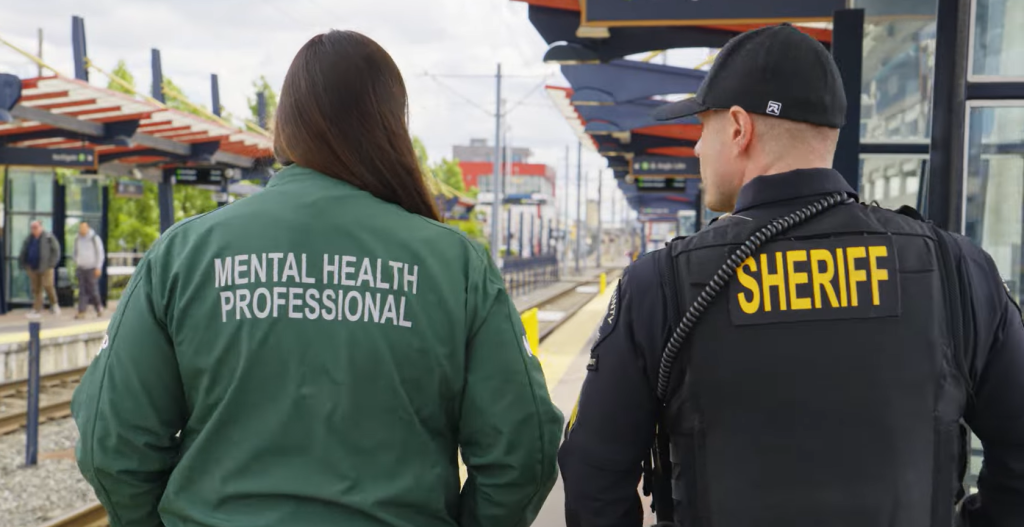
$1.2 million to support and expand the Regional Crisis Response program in North King County cities, deploying mental health professionals alongside first responders to provide immediate crisis response, de-escalation, resource referral, and follow-up tailored to the specific needs of those experiencing behavioral health challenges. Also adds behavioral health resources in Covington.
$850,000 for the Therapeutic Response Unit, pairing sheriff deputies with trained mental health professionals to respond to calls for service involving mental health, substance use, and social service needs.
$760,000 to hire new King County Sheriff’s Office deputies assigned to Maple Valley, Covington, and Kenmore.
ESHB 2015 also granted local governments the authority to adopt a public safety sales tax. As a councilmember, Executive Zahilay co-sponsored the legislation to create the Safe and Stable Communities Safety tax to maintain and strengthen King County’s public safety services.
What People Are Saying
Mayor Nigel Herbig, City of Kenmore
“Kenmore is excited to be part of this important grant program. This $350,000 will help bolster our police staffing and support to our highly successful Regional Crisis Response program with our partner cities here in North King County. This will increase public safety in our community by strengthening the key partnership between police and mental health professionals in order to deescalate situations and get people in crisis the resource referrals they need.”
Mayor Sean Smith, City of Covington
“The City of Covington is grateful for these public safety and community outreach funds. They will ensure more people are connected to the services they need and that additional police officers can keep our residents and businesses safe.”
Mayor Sean P. Kelly, City of Maple Valley
“Our community is grateful for this investment in public safety. The additional resources, especially the new deputy position, will help us better address retail theft, strengthen partnerships with our business community, and improve our ability to respond compassionately and effectively when our residents need support. This funding represents a meaningful step toward creating a safer, more connected Maple Valley.”
King County Sheriff Patti Cole-Tindall
“The King County Sheriff’s Office appreciates any support and assistance for public safety. Our Therapeutic Response Unit in particular, is one that has grown and evolved over the last three years and has become an integral part of the way we serve our communities. The co-response model allows our team to help people in what is often the hardest moment of their life, and this grant enables us to continue our mission to get them the care and services they need as quickly as possible.”
Dr. Sandra Valenciano, Director & Health Officer, Public Health – Seattle & King County
“Gun violence is preventable and it inflicts trauma across our county. This funding will support gun violence efforts through a public health perspective, providing intensive support for those directly impacted by gun violence, strengthening prevention and intervention strategies, and coordinating efforts across communities.”
Dr. Susan McLaughlin, Director of the King County Department of Community and Human Services
“King County’s mobile crisis teams have transformed how we respond to behavioral health crises on the ground, giving us more capacity to act quickly. Made up of trained mental health professionals and peer specialists with lived experience, these teams meet people where they are with compassion, dignity and understanding — helping them stabilize first and then connecting them to the support, resources and services they need to recover.”